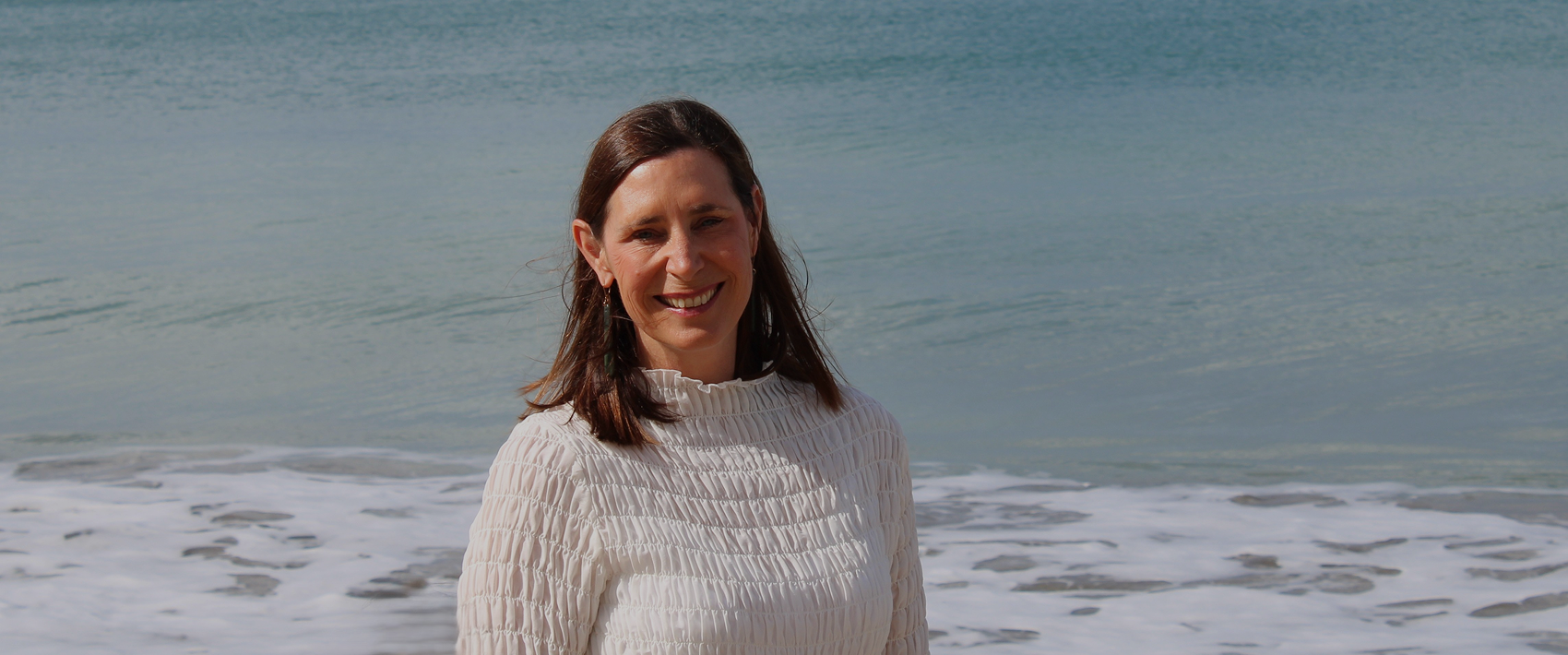
For this edition of Kaimahi Kōrero, we feature a Q&A with Liz Tindall Tetro, Next Gen Manager and member of the Tindall whānau.

Liz reflects on her experience connecting with other family foundations and attending the 2025 Philanthropy Australia Summit. She shares why these relationships matter, what she learned from peers, and how bold, collaborative approaches can inspire hope and shape the future of philanthropy.

Q: How have you engaged in the past with other family foundations?

From the very beginning, relationships and collaboration have been part of The Tindall Foundation’s work. Collaborating with other family foundations began in 2009 with the Working Together More Fund, which was established to collectively help non-profit groups respond to the Global Financial Crisis. Over time, its purpose evolved to make collaboration easier and help contributing funders work more closely together – at the time this included TTF, JR McKenzie Trust, Todd Foundation, and Wayne Francis Charitable Trust.

In 2020, this expanded into Weave – He Pūtea Mahi Tahi; a partnership between eight family foundations working collectively to support community projects that bring groups together for positive change. Partners included; TTF, JR McKenzie Trust, Todd Foundation, Wayne Francis Charitable Trust, Hugh Green Foundation, Len Reynolds Trust, Clare Foundation and DV Byrant Trust.

Weave proactively focused on building capacity and knowledge within organisations to achieve long-term impact. Weave prioritised trusted relationships, offering responsive funding as well as advocacy, resources and mentoring opportunities.

Q: What stood out most when engaging with these new connections?

Generosity. Everyone was so willing to share advice, experiences and insights from their work. Despite there being different focus areas and approaches, we discovered that there were so many common values and family principles that guide the work.

We met representatives from several foundations, including the Besen Family Foundation, the Balnaves Foundation, the Dusseldorp Forum, the Vincent Fairfax Family Foundation, Snow Foundation, Nelson Meers Foundation and CAGES Foundation. Each of these foundations is at a different stage of generational progression, and they were all very open about their approaches. They shared what worked for them, what challenges they faced, and how family members were engaged in the work overtime. We will continue to connect with more foundations soon, to continue these learnings.

Q: Were there common challenges they were experiencing in Australia?

Yes, several themes emerged at the summit that we are faced with here in Aotearoa; from climate change to first nations kaupapa. There was a shared recognition of the need to “fund the glue”, invest in improving social cohesion and inspiring hope. Many expressed concerns about a growing sense of hopelessness in communities, which is something we all need to address.

At the Summit, these issues were framed as part of a polycrisis, a set of multiple overlapping global crises that have compounding impacts on communities. The overlapping crises include climate change, inequality, geopolitical conflicts, rising authoritarianism, economic instability and vulnerability, political polarization, and technological stress. Together they have a domino effect and can lead to the belief that a hopeful future is impossible.

The call to action for philanthropy was clear: offer hope – not wishful thinking, but honest, grounded hope combined with action. Be bold in our funding, support systems change, advocacy, long-term funding, programmes of work that build social cohesion and promote storytelling. That’s a challenge we’re thinking about when we make decisions about funding.

Q: Were there any other key calls to action you took away from the summit?

For everyone in philanthropy to ask ourselves: is there a youth voice in the room? And if not, why not? It is so important to invest in young people and listen carefully to their opinions, insights, and experiences.

One incredible young climate activist, Anjali Sharma, who at 21 is leading a duty of care campaign, said something that really stuck with me:
“Invest in us. We don’t want to be passive inheritors of the world – we want to be architects of the future we live in.”

That’s a powerful reminder of why intergenerational voices matter.

Q: Were there any ways of working, ideas or innovation that inspired you as a funder?

I think more than new ideas, the Summit reinforced what we know matters as funders:

  • Increase your risk appetite: back big ideas, be bold, fund advocacy and systems change, and refuse to accept the status quo. The worst thing we can do is nothing. At TTF, we recognise the need to be brave, listen to communities, amplify their wisdom, and support them leading solutions.
  • Truth-telling is critical: without it, trust can’t grow.
  • Storytelling matters more than ever: centering lived experience builds trust and strengthens social cohesion.

There was also a strong focus on inspiring hope. Without hope, we lose our agency. Uncertainty can feel daunting, but it also means possibility. The future isn’t fixed, it’s ours to create, together. 

Q: How do you see these insights influencing TTF’s future strategy or partnerships?

We’re exploring ways to deepen our intergenerational mahi and now, more than ever, strengthen the partnerships that make that possible.

We are thrilled that Gen 3’s is becoming involved. We hope this will bring a fresh, youthful perspective to the table, and we want to keep building on that.